
What Makes a Crypto Wallet Secure?
At its core, a crypto wallet’s job is to protect your digital assets. It does that through three main components: private keys, public addresses, and encryption. The public address works like an account number it’s what you share to receive funds. The private key is what unlocks that address and gives you control over the money inside. Lose your private key, lose your funds. That’s why encryption plays a critical role it scrambles your data so even if someone gets access, they can’t do much without the right key to decode it.
Now, not all wallets are created equal. Hot wallets are internet connected, which makes them fast and convenient but also more vulnerable to hacks. Cold wallets, on the other hand, are offline (think USB drives or hardware based storage) and far less exposed. In the world of online gambling, where real time access to funds matters but so does security, platforms need to balance both. Some use a hybrid model, keeping most funds in cold storage and only a small chunk live in hot wallets for gameplay needs.
As a baseline, any serious gambling platform should meet these non negotiables: strong encryption, secure handling of private keys (preferably hardware based), two factor authentication, and third party security audits. If a site won’t tell you what kind of wallet security it uses, ask yourself why. In crypto gambling, what you don’t know can cost you.
Why Gambling Platforms Are Targeted
Crypto gambling platforms are prime targets for fraud and theft, and it’s not hard to see why. When you have massive volumes of money moving in and out constantly, it creates an open invitation for hackers. These are fast paced systems, with minimal delay between deposit and bet. That kind of transactional velocity becomes fertile ground for anyone skilled in exploiting digital vulnerabilities.
Add to that a general lack of user awareness. Most players aren’t thinking about wallet configurations or phishing vectors they’re thinking about payout odds. This makes human error the weakest link. Hackers depend on lapses in judgment: reusing passwords, skipping two factor authentication, or falling for fake support messages.
That’s why regular security audits aren’t optional anymore they’re critical. These audits catch outdated code, patchable exploits, and permission issues before bad actors do. Secure platforms don’t just react to breaches they constantly assess, fix, and improve before there’s a problem. So whether you’re an operator or a user, assume the system is under attack. The smart ones already do.
Layered Security Tactics Operators Should Use
When it comes to crypto wallet security on gambling platforms, relying on just one measure isn’t enough. Stakeholders need a layered defense. It starts with multi signature (multisig) wallets. These don’t allow a single keyholder to execute a transaction alone. Instead, they require approval from multiple signatories, which spreads control and reduces the risk of any single point of failure critical when large sums or high volumes are moving around.
But securing access is only part of it. Every transaction and interaction with the wallet must be sealed tight. End to end encryption makes that possible, ensuring no third party including the platform itself can tamper with or intercept sensitive data in real time. It’s not just about safeguarding coins, it’s about protecting users’ trust.
On top of that, platforms need real time fraud detection. No waiting for a breach report after the damage is done. Systems powered by AI and behavioral tracking can monitor wallet activity for irregularities flagging suspicious withdrawals, sudden spikes in transfers, or unknown IP logins. Operators who invest in constant monitoring aren’t just meeting best practices they’re raising the bar for safety industry wide.
What Users Can Do to Stay Safe
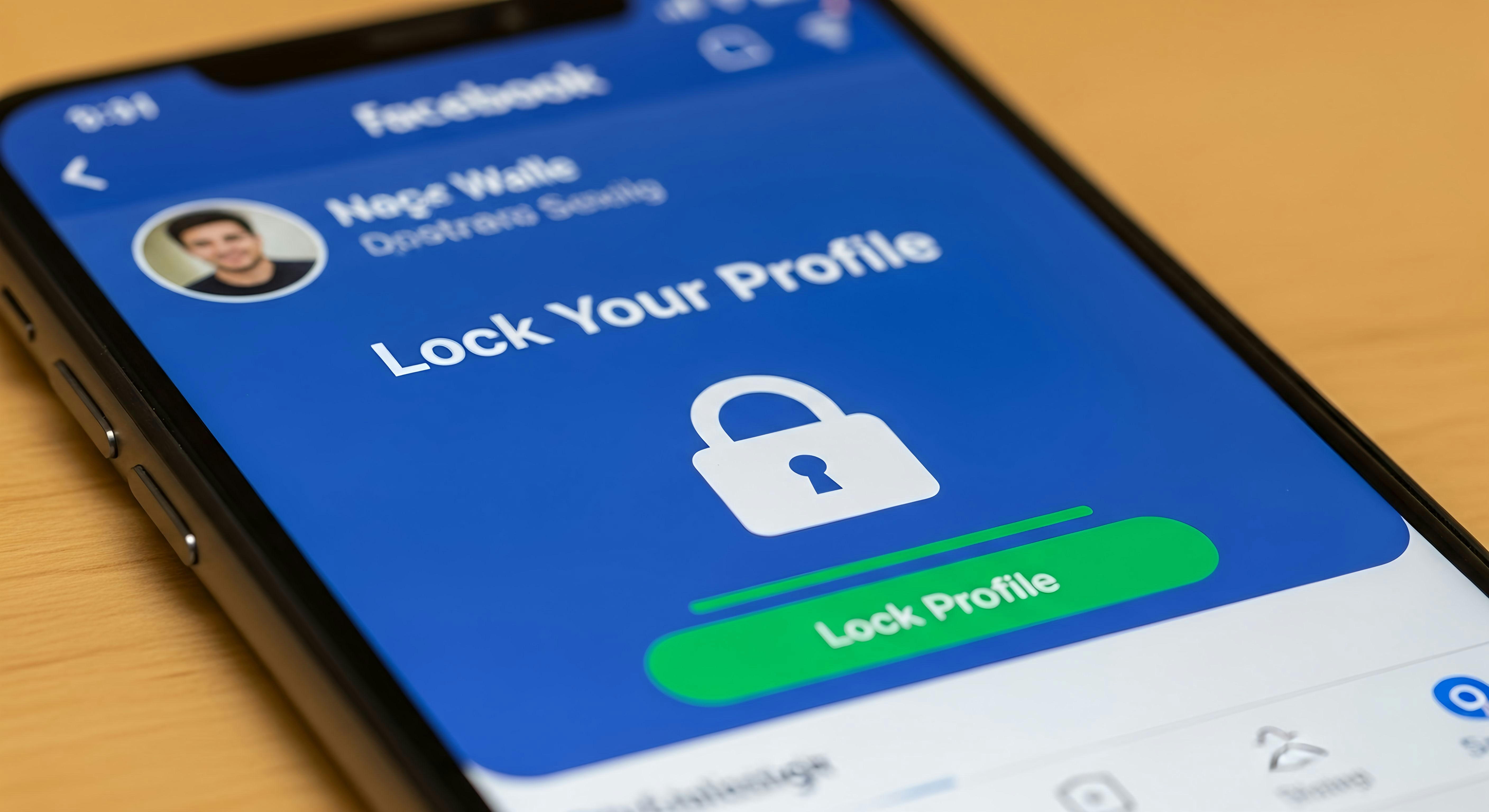
When it comes to crypto gambling, your wallet is your lifeline. Picking a platform with strong wallet protection protocols isn’t optional it’s baseline survival. Look for platforms that use multi layer encryption, maintain clear audit trails, and have a track record of security transparency. If you can’t easily find their security policies, move on.
Next, activate two factor authentication (2FA). Every time. Pair it with a long, unpredictable passphrase. Think less like a password and more like a sentence you’ll remember but no one could guess. Avoid birthdays, pet names, or sticking a ‘123’ on the end. Attackers run scripts that chew through those in seconds.
And this one hurts, but it matters: don’t reuse passwords or wallet seed phrases across platforms. Ever. If one account gets breached, they all crumble. Reusing credentials is like copying your house key and handing it to a stranger you just don’t do it.
A few smart steps now save a world of regret later. Crypto gambling isn’t the Wild West anymore but it still pays to stay strapped.
The Role of Integration
Secure crypto wallet integration isn’t just convenient it’s foundational. In gambling platforms, where real money moves fast and frequently, the way a wallet connects to the system can either reinforce trust or quietly open the door to risk. Users expect their deposits, withdrawals, and balances to work without friction. If the wallet experience feels clunky or unsteady, they’re more likely to jump ship.
But it’s deeper than UX. Poor backend integration is one of the easiest ways for threats to slip through. Half baked APIs, delayed transaction confirmations, or security holes between the payment layer and the wallet open up space for exploits. And when that happens, users don’t blame the blockchain they blame the platform.
Seamless, secure integration helps gambling operators stay credible. It reduces downtime, avoids transaction errors, and builds user confidence over time. In a space where loyalty is fickle and trust is hard won, how well your wallet system runs might be the biggest edge you have.
More on why this matters at crypto wallet integration.
Ongoing Innovation in Wallet Security
Biometric logins and device based authorizations are no longer optional they’re becoming the standard across forward thinking gambling platforms. We’re talking about thumbprints, face scans, and secure tokens that are tied directly to users’ personal devices. Quick, frictionless, and hard to fake. It’s about locking access to crypto wallets in a way that even phishing can’t easily bypass.
But the bigger shift is toward decentralized ID verification. Instead of handing over sensitive documents to every single site, users will verify identity once, then use digital wallets to prove it securely, on their own terms. Verification becomes portable. Privacy gets a win. And platforms still get what they need for compliance.
Meanwhile, the best operators are shipping faster security updates. Think real time anomaly detection, adaptive authentication layers, and dynamic permissions based on user behavior. They’re not waiting for threats they’re expecting them. And players should expect nothing less.
Takeaway for Players and Operators Alike
Crypto wallet security in gambling isn’t just a backend concern it’s a two way street. Platforms need systems that scale: strong encryption, automated fraud checks, proper wallet integration. But users have work to do too. Lazy habits like weak passwords or reused credentials are what attackers look for. Vigilance has to be mutual.
Picking the right platform starts with knowing how its wallet is wired. Integration isn’t just about convenience or speed of deposit. It’s about whether the system exposes your keys, how it handles authentication, and whether your funds remain under your control. A strong integration model supports user protection by design not as an afterthought.
Want to see how wallet integration directly affects your gambling experience? Check out this deep dive on crypto wallet integration for examples and insight.